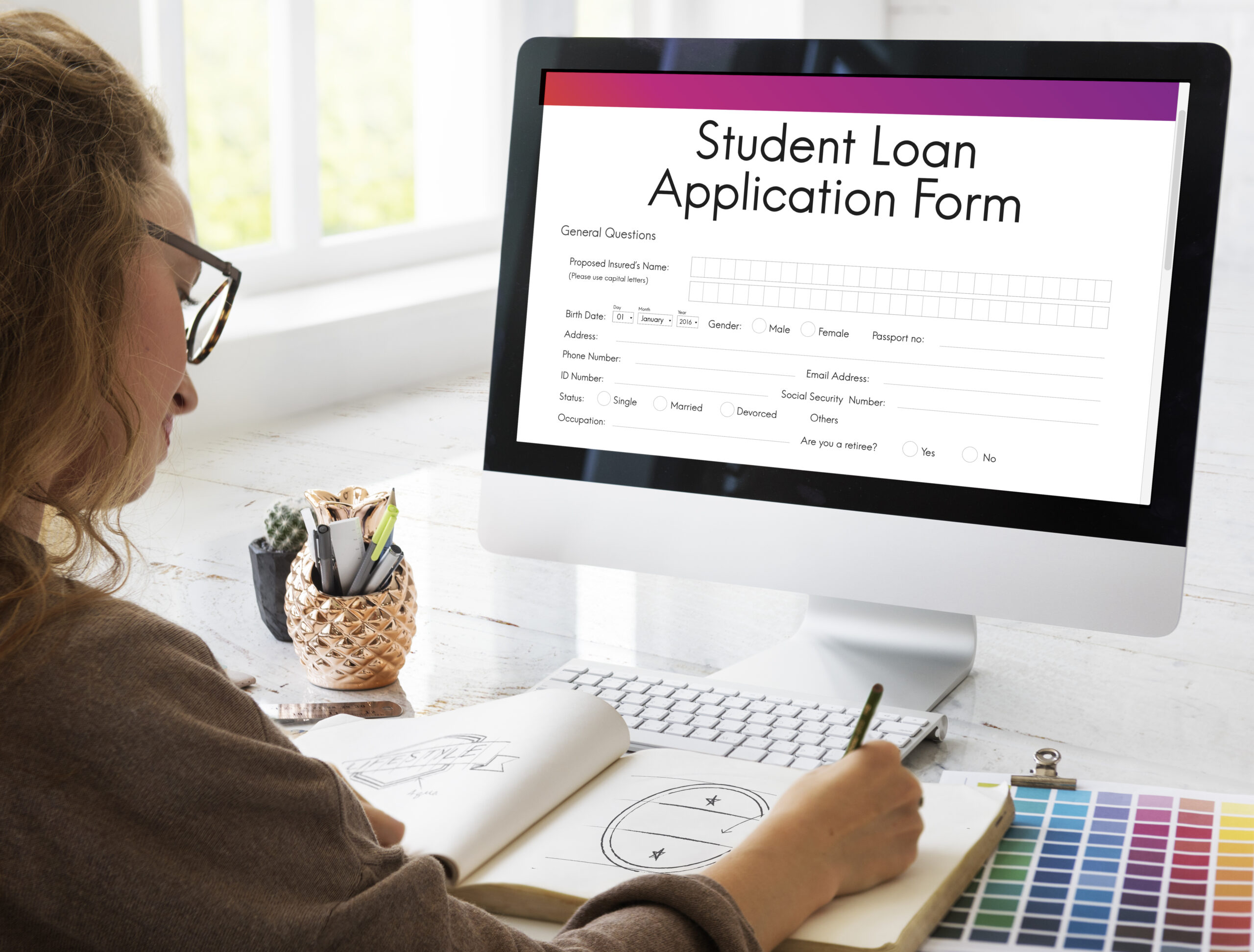
Introduction:
Studying in Canada is a dream for many international students, and understanding how to get a student loan in Canada for international students can make that dream possible — thanks to the country’s high-quality education, globally recognized universities, welcoming multicultural environment, and excellent career opportunities after graduation.
However, while Canada offers outstanding academic programs, the cost of studying can
be a significant challenge.
Tuition, accommodation, textbooks, transportation, health insurance, and daily expenses can make studying in Canada expensive. For some international students, a student loan can help cover these costs, but unlike scholarships and grants, loans must be repaid under the lender’s terms.
International students should understand the loan requirements before applying, as eligibility differs from Canadian citizens and permanent residents. Since government-funded loans are mainly available to Canadian residents, international students typically rely on private lenders, financial institutions, education financing companies, or loan programs from their home country or school.
Before applying, compare lenders, interest rates, repayment schedules, eligibility requirements, and fees. Borrowing only what you need helps reduce financial pressure after graduation.
This guide covers loan options, eligibility, required documents, the application process, and practical tips to help international students make informed financing decisions for their studies in Canada.
Understanding Student Loans for International Students in Canada: Student Loan in Canada For International Students
Many international students are surprised to learn that getting a student loan in Canada is
different from applying as a Canadian citizen or permanent resident.
Before starting the application process, it is important to understand the types of student
loans that may be available and how they work.
1. Government Student Loans Are Usually Not Available
Most federal and provincial student loan programmes in Canada are designed for Canadian
citizens, permanent residents, and certain protected persons.
As a result, many international students do not qualify for these government-funded loans
and must consider other financing options.
2. Private Student Loans
Private student loans are offered by banks, credit unions, and specialised financial
institutions.
These loans may be available to eligible international students, although some lenders may
require additional conditions, such as a qualified co-signer or proof of financial stability.
3. Loans Through Your Home Country
Some governments, banks, or educational organisations offer education loans to students
who plan to study abroad.
If this option is available in your country, it may be worth comparing it with Canadian lenders
before making a decision.
4. University and College Financing Programmes
Some Canadian universities and colleges work with financial partners to provide loan
opportunities or tuition payment plans for international students.
These programmes vary by institution, so students should check directly with their school’s
financial aid office.
5. Understanding Repayment Responsibilities
Unlike scholarships, student loans must be repaid according to the agreed terms.
Before accepting any loan offer, carefully review the interest rate, repayment period, monthly
payment expectations, and any additional fees.
Knowing these details in advance will help you make a responsible financial decision.
6. Borrow Only What You Need
Although it may be tempting to borrow extra money, taking a larger loan than necessary
means paying more interest over time.
Calculate your tuition fees, living expenses, books, and other essential costs carefully, then
borrow only the amount required to complete your studies.
For deeper insights into financing options and study permit requirements, check out this detailed breakdown from: https://globalfinville.com
Understanding how student loans work will help you choose the most suitable financing
option, avoid unnecessary debt, and prepare for a successful academic journey in Canada.
Top Lenders Offering Student Loans in Canada: Student Loan in Canada For International Students
Finding the right lender can make or break your Canadian education plans. Since government loans are off the table for most international students, here’s a breakdown of the top private lenders actually funding students like you in 2026.
MPOWER Financing
A U.S.-based fintech lender that works with international students to help fund up to 100% of education and living expenses, MPOWER doesn’t require a co-signer or collateral — a huge advantage if you don’t have family ties in Canada. Note: MPOWER has reported reaching current funding capacity and is temporarily unable to offer new loans for 2026, directing prospective applicants to a waitlist.
Prodigy Finance
Prodigy Finance is a global private lender focused on international postgraduate students, assessing future earning potential rather than requiring a guarantor. It’s especially strong for MBAs, engineering, public policy, and business-related master’s degrees, but only funds students in specific supported graduate programs.
Canadian Bank Loans (Scotiabank, RBC, CIBC)
Traditional banks offer some of the lowest interest rates — but almost always require a Canadian citizen or permanent resident co-signer. Scotiabank is the most flexible of the major banks, allowing international students in a Canadian graduate program to apply with a Canadian citizen or permanent resident co-borrower, while RBC and CIBC generally require applicants to be citizens or permanent residents outright. MPOWER Financing
Alternative Private Lenders (e.g., Future Finance)
For students who don’t qualify for Prodigy or MPOWER, alternative lenders like Future Finance provide loans covering both tuition and living costs, though often with stricter interest rates and terms.
Who Can Apply for a Student Loan in Canada?
Before applying for a student loan, it is important to understand the basic eligibility
requirements.
Each lender has its own lending policy, so the exact requirements may vary.
However, there are several conditions that many financial institutions commonly consider
when reviewing applications from international students.
1. You Must Have an Admission Offer
Most lenders require applicants to have an official admission letter from a recognised
Canadian college, university, or other designated learning institution.
This confirms that the loan will be used for educational purposes.
2. You Must Meet the Lender’s Age Requirement
Applicants are generally expected to meet the minimum legal age for signing a financial
agreement.
If you are below the required age, the lender may ask for a parent, guardian, or another
eligible adult to be involved in the application where permitted by law.
3. You Must Have a Valid Study Permit or Be Eligible to Obtain One
Many lenders will ask for proof that you have a valid Canadian study permit or
documentation showing that you qualify to study in Canada.
This helps confirm your legal status as an international student.
4. You May Need a Co-Signer
Some private lenders require international students to apply with a qualified co-signer or
guarantor.
A co-signer agrees to share responsibility for repaying the loan if the borrower is unable to
do so.
Whether a co-signer is required depends on the lender’s policies and the applicant’s financial
profile.
5. Proof of Financial Stability
Lenders may ask for documents that show you or your co-signer can meet the repayment
obligations.
This could include proof of income, employment records, or other financial documents
depending on the lender’s requirements.
6. Good Academic Standing
Some lenders may consider your academic performance or request proof that you are
enrolled full-time and making satisfactory progress in your studies.
Maintaining good academic standing can strengthen your application.
Meeting these requirements does not automatically guarantee loan approval.
The lender will review your complete application, verify your documents, and assess its
lending criteria before making a final decision.
Preparing accurate information and submitting all required documents can improve your
chances of approval.
Documents Required When Applying for a Student Loan in Canada: Student Loan in Canada For International Students
Preparing your documents before you begin the application can make the process much
smoother.
While the exact requirements vary from one lender to another, most financial institutions
request similar documents to verify your identity, educational status, and financial
information.
1. Official Letter of Admission
Most lenders require an official admission letter from a recognised Canadian college,
university, or designated learning institution.
This document confirms that you have been accepted into an eligible academic programme.
2. Valid Passport
International students are usually required to provide a valid passport as proof of identity.
Ensure that your passport is valid throughout your planned period of study or can be
renewed before it expires.
3. Study Permit or Approval Documents
Many lenders will request a copy of your Canadian study permit or documents showing that
your study permit application has been approved.
This helps confirm that you are legally authorised to study in Canada.
4. Proof of Tuition Fees
Some lenders may ask for a tuition invoice or an official fee statement from your educational
institution.
This allows them to determine how much financial assistance you may need.
5. Proof of Income or Financial Support
Depending on the lender’s requirements, you or your co-signer may need to provide proof of
income, employment records, bank statements, or other financial documents.
These records help the lender assess your ability to meet future repayment obligations.
6. Co-Signer Documents (If Required)
If the lender requires a co-signer, they will also need to submit identification documents,
proof of income, and any additional financial information requested during the application
process.
7. Bank Account Information
After the loan is approved, you may be asked to provide your banking details so the lender
can transfer the approved funds or arrange future repayments.
Before submitting your application, carefully review every document to ensure the
information is accurate and complete.
Missing or incorrect documents can delay the approval process or result in your application
being declined.
A well-prepared application demonstrates responsibility and can improve your chances of
receiving a positive decision.
How to Apply for a Student Loan in Canada for International student
Applying for a student loan in Canada requires careful planning.
Instead of rushing through the process, take time to understand how each lender operates
and what they expect from applicants.
A well-prepared application not only improves your chances of approval but also helps you
choose a loan that suits your financial situation.
1. Research Available Lenders
Start by looking for reputable banks, credit unions, and private financial institutions that offer
education loans to international students.
Compare their interest rates, repayment options, loan amounts, and eligibility requirements.
Reading reviews and checking the lender’s reputation can also help you make a better
decision.
2. Estimate Your Total Study Costs
Before applying, calculate how much money you will need for your education.
Include tuition fees, accommodation, food, transportation, textbooks, health insurance, and
other essential living expenses.
Borrowing only what you truly need can reduce your financial burden after graduation.
3. Prepare Your Documents
Gather all the documents required by the lender before beginning your application.
These may include your admission letter, passport, study permit, tuition invoice, financial
records, and any additional documents requested.
Having everything ready can make the application process faster and more organised.
4. Complete the Application Form
Carefully fill in the application form with accurate information.
Check your personal details, educational information, and financial records before submitting
the application.
Even small errors can slow down the review process or result in unnecessary delays.
5. Submit the Required Documents
After completing the application, attach all supporting documents requested by the lender.
If a co-signer is required, ensure they also provide their documents promptly so that the
lender can continue reviewing the application without interruption.
6. Wait for the Loan Assessment
Once your application has been submitted, the lender will verify your information and assess
whether you meet its lending requirements.
This review process may take several days or a few weeks, depending on the lender.
During this period, you may be contacted if additional information is needed.
7. Review the Loan Agreement Carefully
If your loan application is approved, read the agreement thoroughly before signing.
Pay close attention to the interest rate, repayment schedule, repayment start date, and any
additional charges.
Make sure you fully understand your responsibilities before accepting the loan.
Taking these steps carefully can help you secure a suitable student loan while avoiding
common mistakes.
A well-planned application gives you a better chance of receiving financial support and
allows you to focus on achieving your educational goals in Canada.
Frequently Asked Questions (FAQs) About Student Loans in Canada for International Students
1. Can international students apply for Canadian government student loans?
No, not in most cases. Government financial aid options like Canada student loans, bursaries, and grants are generally limited to Canadian citizens or permanent residents. As an international student, your realistic path is private lending — global fintech lenders, Canadian bank loans with a co-signer, or financing through your home country.
2. Do I need a co-signer or collateral to get a study loan?
It depends on the lender. Some private lenders, such as MPOWER and Prodigy Finance, do not require a co-signer, while banks like RBC and CIBC generally require citizenship or permanent residency. Scotiabank may allow eligible international graduate students to apply with a Canadian citizen or permanent resident co-borrower.
If you do not have a Canadian co-signer, no-cosigner lenders may be the most practical option.
3. Which private lenders offer international student loans for Canada?
The main options are MPOWER Financing and Prodigy Finance. MPOWER can fund up to 100% of education and living expenses without a co-signer or collateral, while Prodigy Finance focuses on international postgraduate students based on future earning potential.
Alternative lenders like Future Finance may also cover tuition and living costs, while Canadian banks remain an option for students with a qualified co-signer
4. Can an international student loan be used as proof of funds for a study permit?
Generally, no. A GIC is your own money deposited in a Canadian bank to prove you can support yourself, not a loan or financial aid. For 2026, a single applicant outside Quebec must show CAD 22,895 in living funds. Loan funds may be used for a GIC after disbursement, but requirements and timing vary, so always confirm with IRCC and your lender.
5. What documents are required to apply for an international student loan?
Most lenders require an admission letter, valid passport, study permit or approval, tuition statement, and proof of income or financial support. No-cosigner lenders like Prodigy may focus more on academic records and future earning potential, while co-signers must provide identification and income documents. Ensure all paperwork is accurate and complete to avoid delays.
6. When does loan repayment start after getting approved?
Repayment timing varies by lender. Government loans generally begin after a six-month grace period, while private lenders like MPOWER and Prodigy may offer similar grace periods. Always check your loan agreement for the repayment start date, grace period, and interest terms.
7. Can I apply for a loan before receiving an official letter of acceptance from a Canadian school?
Generally, no. Most lenders require an official admission letter from a recognized Canadian institution before approving or disbursing a loan. Some may offer preliminary applications, but full approval usually requires confirmed admission. If you are still waiting, research lenders, prepare your documents, and estimate your costs in advance.
Conclusion on Student Loan in Canada For International Students
Studying in Canada requires careful financial planning. Student loans can help cover essential costs, but borrowing is a serious responsibility. Compare lenders, interest rates, repayment terms, and eligibility before accepting a loan.
Also consider scholarships, grants, bursaries, and permitted part-time work to reduce borrowing. Borrow only what you need, budget wisely, and make informed decisions to build a successful future in Canada.